The Game Changer I Didn’t Expect: Classical Pilates
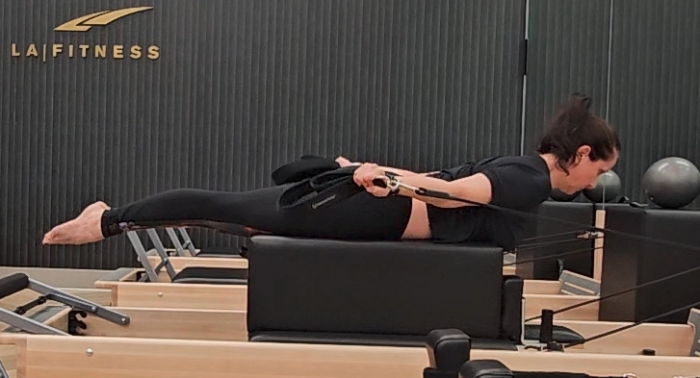
Classical Pilates entered my practice quietly, but its impact was profound. What began as curiosity soon became a powerful complement to my years of Ashtanga yoga. I did not approach Pilates as something separate, but as a method that could deepen the way I move, breathe, and understand stability within my existing practice.
Ashtanga is dynamic, rhythmic, and demanding. It builds heat, mobility, and resilience. Yet within its flow, there are moments where strength must support flexibility, and where control must guide momentum. This is where Classical Pilates revealed itself as an invaluable ally. Pilates emphasizes precision, alignment, and stability from the center. It teaches that every movement originates from a place of support, not from compensation.
When I began incorporating these principles into my Ashtanga practice, everything started to shift. Transitions became slower, more deliberate. I began to notice where I was relying on flexibility instead of strength, where I was moving out of habit rather than intention. Classical Pilates invited me to reorganize my movement patterns, to activate deeper layers of support, and to bring clarity to each action.
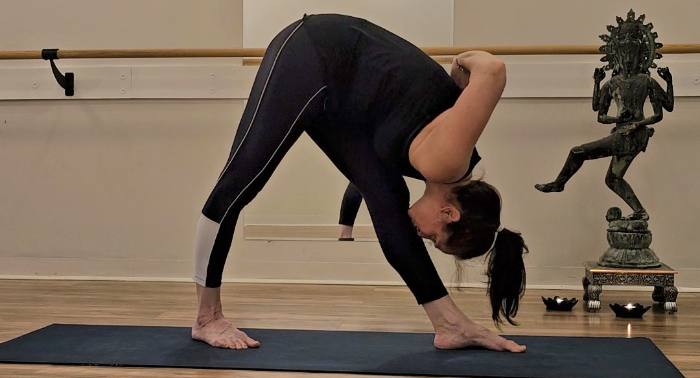
The concept of stability, especially through the center, transformed how I approached familiar postures. Arm balances felt more integrated. Standing poses became more grounded. Even the simplest movements carried more awareness. Instead of moving through the sequence, I started moving within it. Each transition became an opportunity to refine, to stabilize, and to connect breath with structure.
This integration did not make the practice heavier. On the contrary, it made it more efficient. When stability supports mobility, unnecessary tension dissolves. Movements become stronger yet more fluid. There is less effort wasted, less strain in vulnerable areas, and more coherence throughout the body. Precision creates freedom.
Classical Pilates also sharpened my sense of intention. Rather than chasing the external shape of a posture, I became more interested in how I arrived there. The pathway began to matter as much as the destination. Small adjustments, subtle engagements, and mindful transitions turned the practice into a continuous exploration of awareness.
Over time, this dialogue between Ashtanga and Classical Pilates evolved into a unified approach. The dynamic flow of Ashtanga remained, but it was now supported by a deeper foundation of stability and control. Strength developed not only in muscles, but in coordination and presence. The practice felt more intelligent, more sustainable, and more connected.
For me, Classical Pilates did not replace Ashtanga. It refined it. It brought structure to fluidity, stability to movement, and intention to repetition. The result is a practice that feels stronger, more precise, and deeply aware. Each movement becomes purposeful, each transition more conscious, and the entire practice transforms into a conversation between strength, control, and flow.